Acronychia imperforata
Acronychia imperforata - Fraser Island Apple, Beach Acronychia
- Mature size: 5-10m tall x 3-6m wide depending on climate.
-
Recommended spacing for hedging: 1.2-1.5m apart
- Ideal growing conditions: Full sun-part shade.
- Growth rate: Moderate.
Uses
Native garden, small tree/large shrub, hedge, informal privacy screen, feature plant, street tree, lining driveways, mass plantings, large container/pot plant, coastal gardens, sandy areas, windbreak.
Noteworthy
Australian Native tree, hardy evergreen, low maintenance, attracts birds, bees, butterflies and other pollinators.
Tolerates
Pruning, coastal conditions, wind, drought once established, sandy soils and adaptable to a wide range of well-drained soil types.
Colour/Growth form
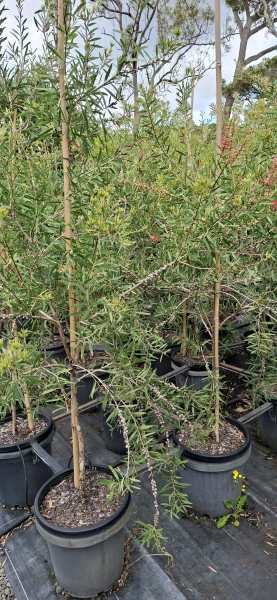
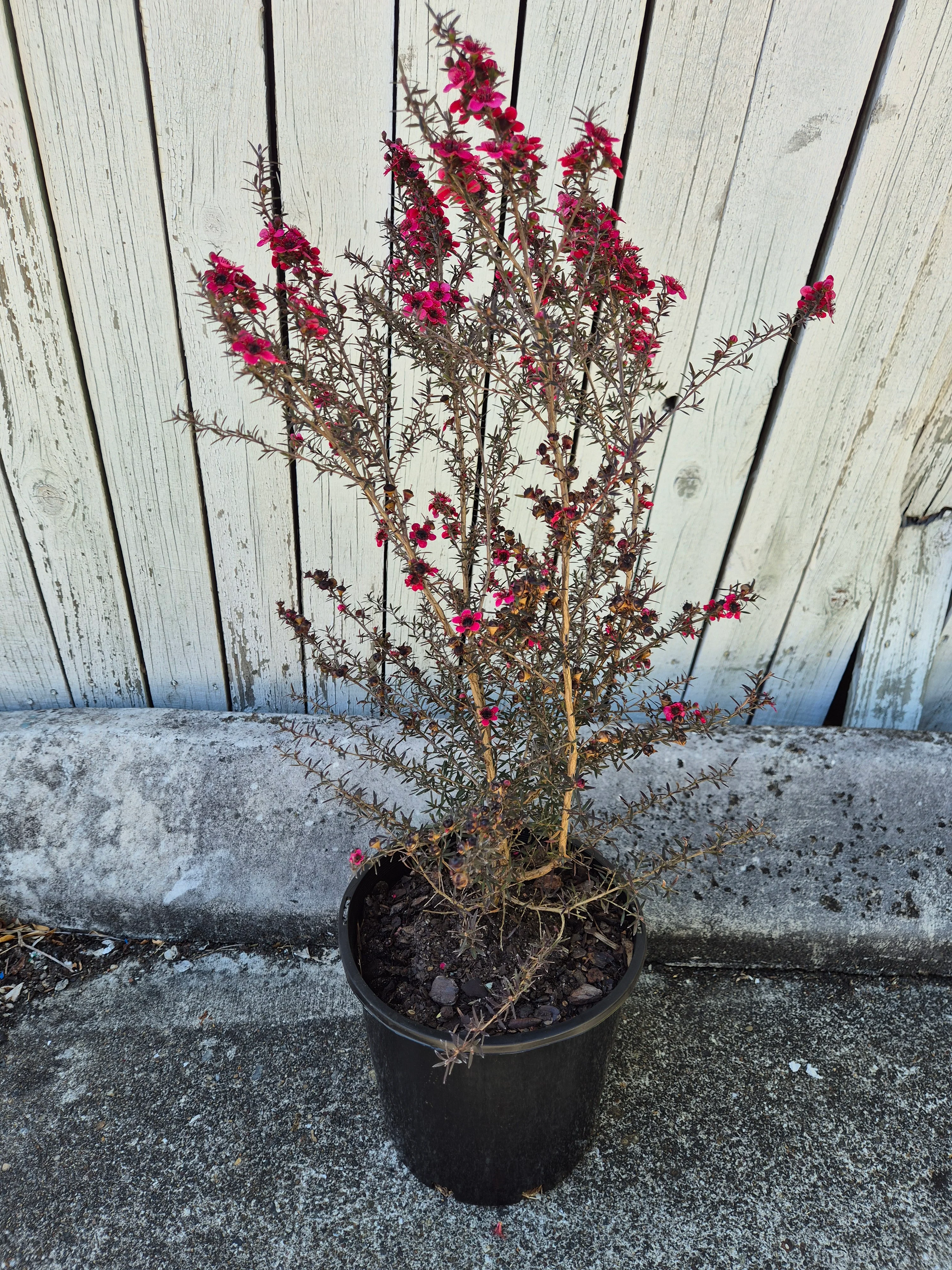
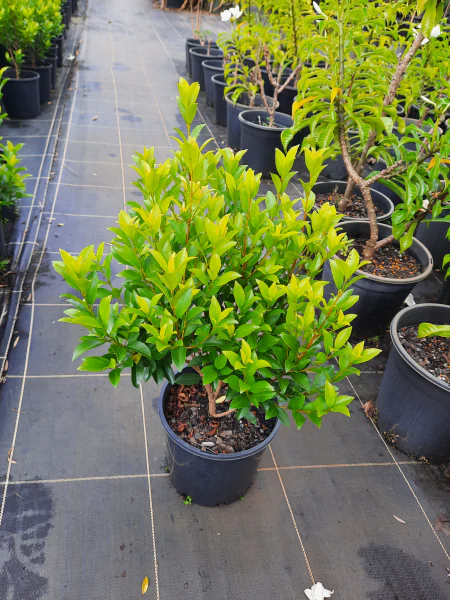
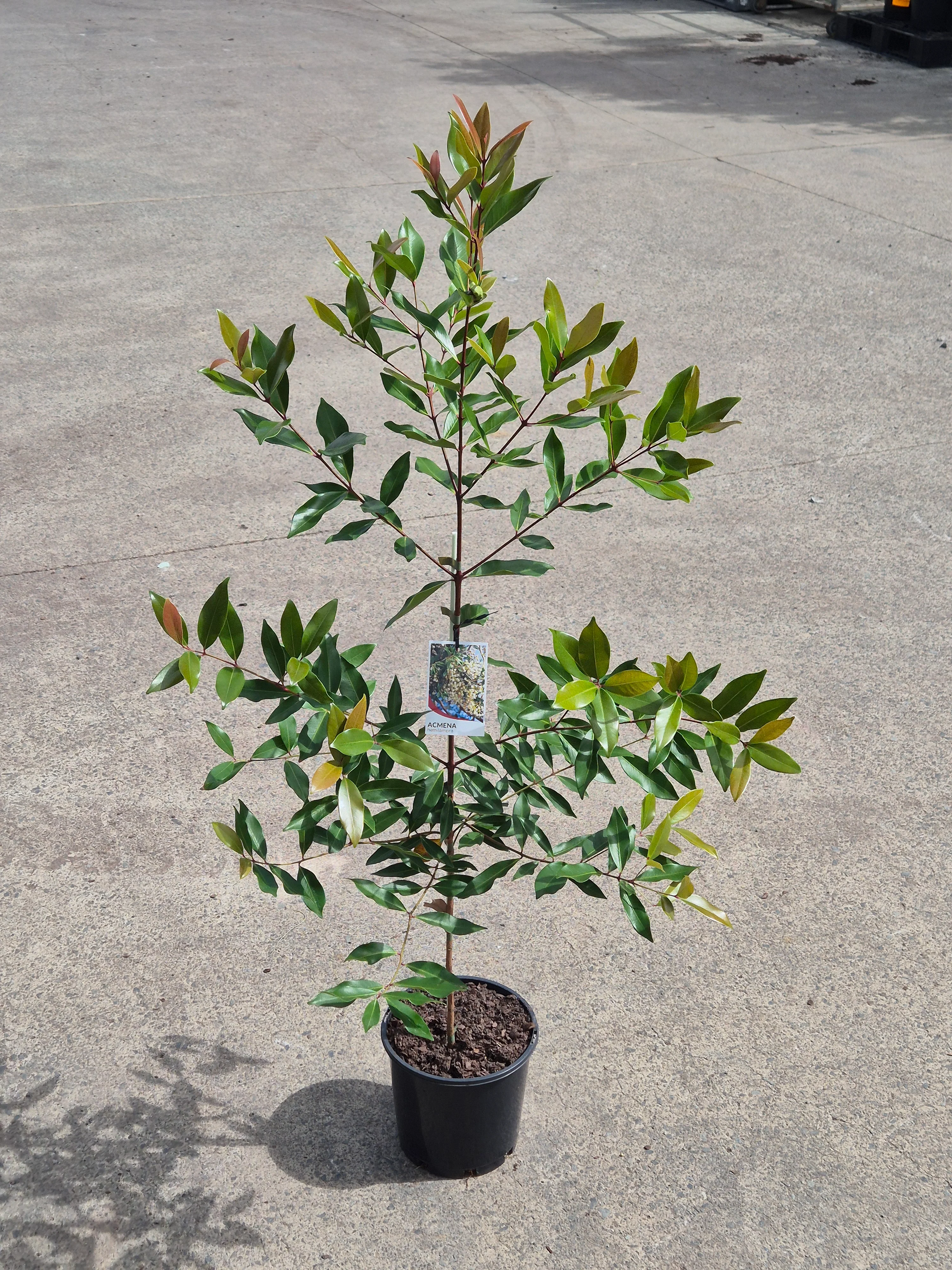
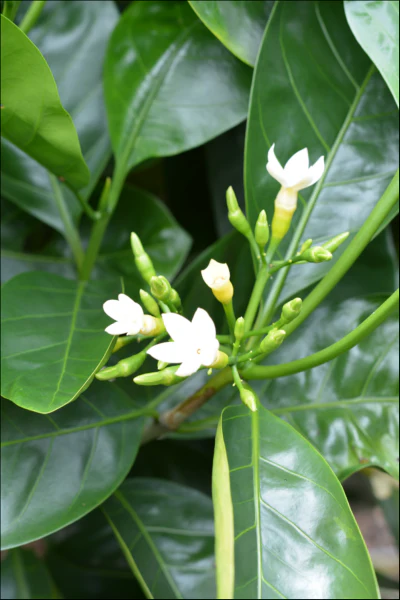
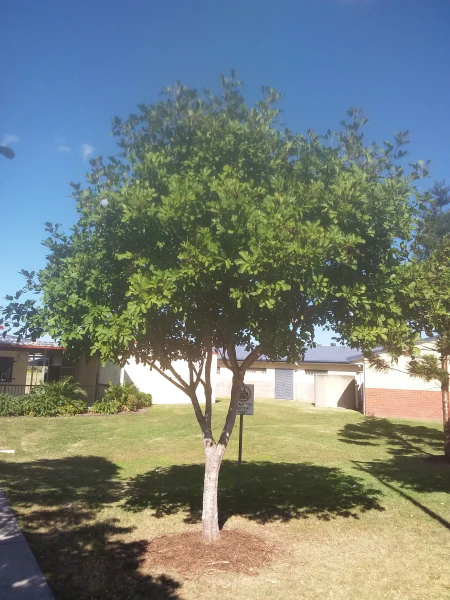
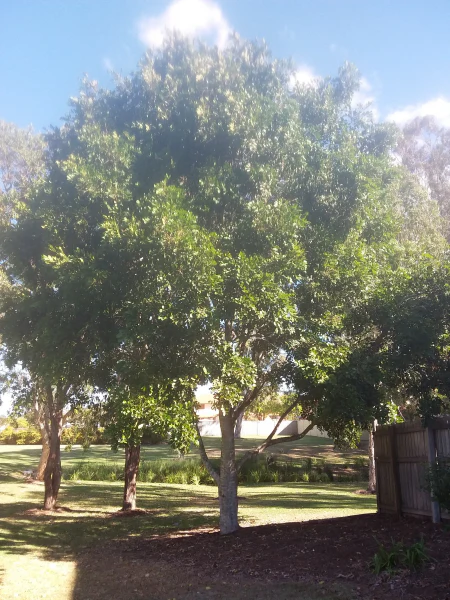
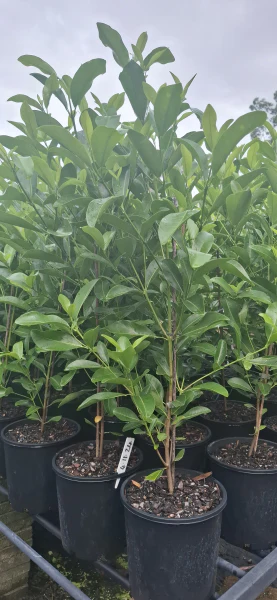
Bushy evergreen shrub or small tree with tall upright growth and glossy green leaves. Produces clusters of cream-white flowers followed by yellow to orange fruits. Its dense foliage makes it useful for hedging, screening and feature planting.
What is Fraser Island Apple?
Acronychia imperforata, commonly known as Fraser Island Apple or Beach Acronychia, is an Australian native evergreen shrub or small tree valued for its glossy foliage, bushy habit and wildlife-friendly flowers. It naturally forms a dense shape, making it useful for privacy screening, coastal gardens and feature planting. Its cream-white flowers and colourful fruits add seasonal interest while attracting birds and pollinators to the garden.
How to care for Fraser Island Apple
Plant in a sunny to partly shaded position with well-drained soil. Water regularly during establishment, then reduce watering once the plant is established. Mulch around the base during warmer months to help retain soil moisture. Prune as needed to maintain the desired shape, especially when growing as a hedge or screen. Apply a slow-release native fertiliser in spring to support healthy growth.
Commonly misspelt:
Acronichia, Acroneechia, Acronichea, Acroneechea, Acronychea
Acronychia imperforata - Fraser Island Apple, Beach Acronychia
- Mature size: 5-10m tall x 3-6m wide depending on climate.
-
Recommended spacing for hedging: 1.2-1.5m apart
- Ideal growing conditions: Full sun-part shade.
- Growth rate: Moderate.
Uses
Native garden, small tree/large shrub, hedge, informal privacy screen, feature plant, street tree, lining driveways, mass plantings, large container/pot plant, coastal gardens, sandy areas, windbreak.
Noteworthy
Australian Native tree, hardy evergreen, low maintenance, attracts birds, bees, butterflies and other pollinators.
Tolerates
Pruning, coastal conditions, wind, drought once established, sandy soils and adaptable to a wide range of well-drained soil types.
Colour/Growth form
Bushy evergreen shrub or small tree with tall upright growth and glossy green leaves. Produces clusters of cream-white flowers followed by yellow to orange fruits. Its dense foliage makes it useful for hedging, screening and feature planting.
What is Fraser Island Apple?
Acronychia imperforata, commonly known as Fraser Island Apple or Beach Acronychia, is an Australian native evergreen shrub or small tree valued for its glossy foliage, bushy habit and wildlife-friendly flowers. It naturally forms a dense shape, making it useful for privacy screening, coastal gardens and feature planting. Its cream-white flowers and colourful fruits add seasonal interest while attracting birds and pollinators to the garden.
How to care for Fraser Island Apple
Plant in a sunny to partly shaded position with well-drained soil. Water regularly during establishment, then reduce watering once the plant is established. Mulch around the base during warmer months to help retain soil moisture. Prune as needed to maintain the desired shape, especially when growing as a hedge or screen. Apply a slow-release native fertiliser in spring to support healthy growth.
Commonly misspelt:
Acronichia, Acroneechia, Acronichea, Acroneechea, Acronychea
Original: $15.99
-65%$15.99
$5.60Description
Acronychia imperforata - Fraser Island Apple, Beach Acronychia
- Mature size: 5-10m tall x 3-6m wide depending on climate.
-
Recommended spacing for hedging: 1.2-1.5m apart
- Ideal growing conditions: Full sun-part shade.
- Growth rate: Moderate.
Uses
Native garden, small tree/large shrub, hedge, informal privacy screen, feature plant, street tree, lining driveways, mass plantings, large container/pot plant, coastal gardens, sandy areas, windbreak.
Noteworthy
Australian Native tree, hardy evergreen, low maintenance, attracts birds, bees, butterflies and other pollinators.
Tolerates
Pruning, coastal conditions, wind, drought once established, sandy soils and adaptable to a wide range of well-drained soil types.
Colour/Growth form
Bushy evergreen shrub or small tree with tall upright growth and glossy green leaves. Produces clusters of cream-white flowers followed by yellow to orange fruits. Its dense foliage makes it useful for hedging, screening and feature planting.
What is Fraser Island Apple?
Acronychia imperforata, commonly known as Fraser Island Apple or Beach Acronychia, is an Australian native evergreen shrub or small tree valued for its glossy foliage, bushy habit and wildlife-friendly flowers. It naturally forms a dense shape, making it useful for privacy screening, coastal gardens and feature planting. Its cream-white flowers and colourful fruits add seasonal interest while attracting birds and pollinators to the garden.
How to care for Fraser Island Apple
Plant in a sunny to partly shaded position with well-drained soil. Water regularly during establishment, then reduce watering once the plant is established. Mulch around the base during warmer months to help retain soil moisture. Prune as needed to maintain the desired shape, especially when growing as a hedge or screen. Apply a slow-release native fertiliser in spring to support healthy growth.
Commonly misspelt:
Acronichia, Acroneechia, Acronichea, Acroneechea, Acronychea